10 Essential Car Maintenance Tips to Keep Your Vehicle Running Smoothly
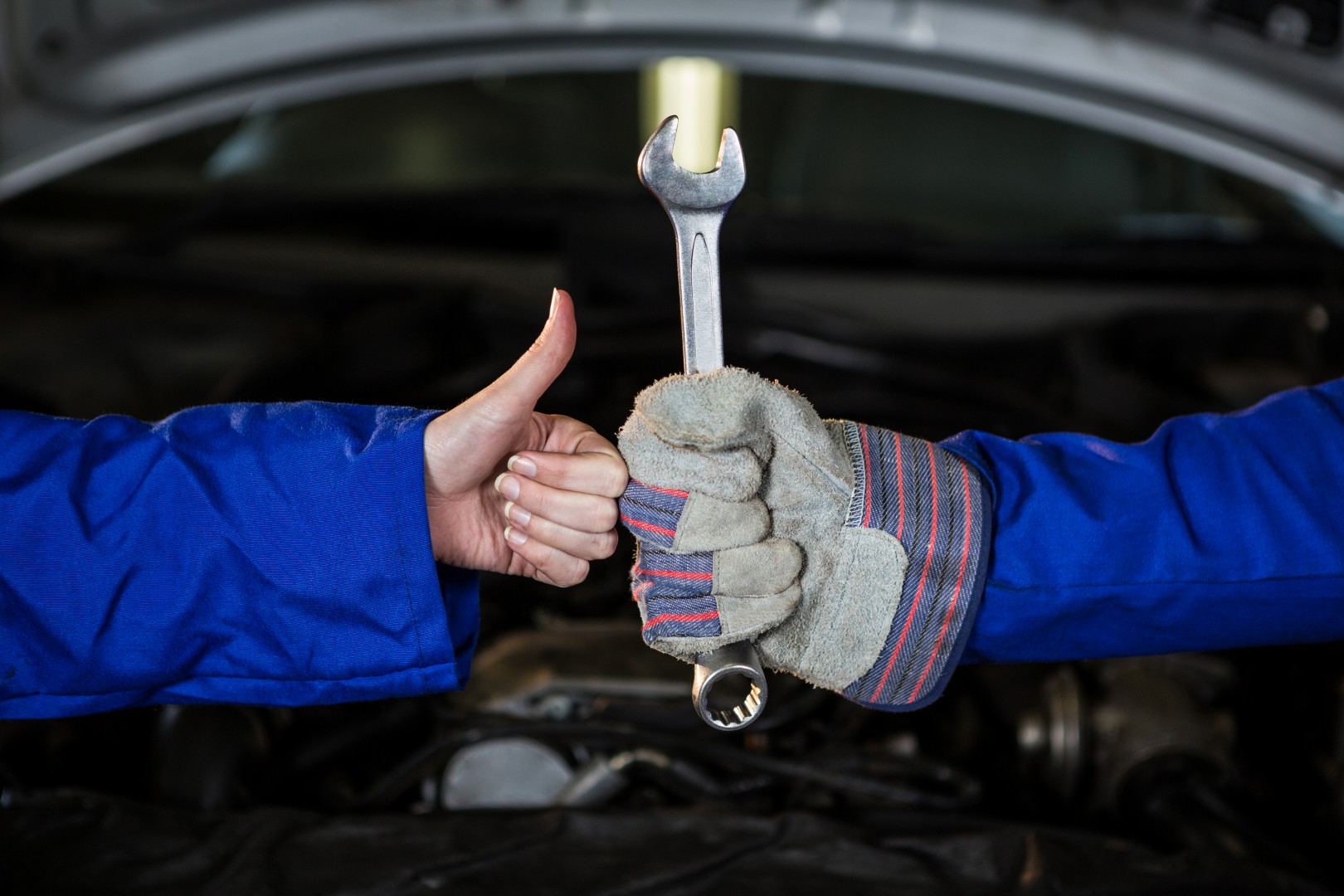
Regular car maintenance helps keep a vehicle safe, reliable, and ready for daily use. Every vehicle has parts that wear down over time, including tires, brakes, engine oil, filters, belts, and batteries. Ignoring these components can lead to poor performance, unexpected breakdowns, and expensive repairs. A consistent maintenance routine helps identify problems early and keeps the vehicle operating according to the manufacturer's recommendations.
Car owners do not need advanced mechanical knowledge to follow basic maintenance practices. Checking tire pressure, monitoring fluid levels, replacing filters, and paying attention to dashboard warning lights can make a noticeable difference in vehicle care. Professional inspections are also useful because some mechanical problems are difficult to identify without proper tools and experience.
Amaru Automotive provides automotive repair and maintenance services for vehicle owners who need professional assistance with their cars. Understanding the basics of vehicle maintenance can help drivers make informed decisions, recognize early warning signs, and know when professional attention is necessary.
1. Check Your Engine Oil Regularly
Engine oil reduces friction between moving engine components, helps control operating temperature, and carries dirt and small particles towards the oil filter. Without sufficient clean oil, engine components can experience excessive wear. Checking oil levels regularly is one of the simplest ways to monitor engine health.
Most vehicles have a dipstick or an electronic oil-level monitoring system. Follow the owner's manual for the correct checking procedure. For vehicles with a dipstick, park on level ground, switch off the engine, and allow the oil to settle before checking the reading.
Follow the Manufacturer's Oil Change Schedule
Engine oil gradually loses its ability to protect internal components. Driving conditions, engine design, oil type, and mileage all affect how frequently an oil change is needed.
Check the manufacturer's recommended service interval rather than relying on a fixed mileage estimate for every vehicle. Use the correct oil grade and specification listed in the owner's manual.
Signs That Your Vehicle May Need an Oil Change
Watch for these warning signs:
- Oil level falling below the recommended mark.
- Oil warning light appearing on the dashboard.
- Unusual engine noise or increased engine friction.
- Oil that appears contaminated or contains visible particles.
- Oil leaks underneath the vehicle.
An oil warning light can indicate a serious lubrication problem. Stop driving safely and arrange an inspection rather than continuing to operate the engine.
For regular oil changes, engine inspections, and other maintenance requirements, vehicle owners can Book your services with Amaru Automotive.
2. Maintain Correct Tires Pressure and Condition
Tires affect braking, steering, fuel consumption, and road stability. Incorrect tire pressure can cause uneven tread wear and reduce vehicle control. Both underinflated and overinflated tires can create problems, so checking pressure regularly is necessary.
Use a reliable tire pressure gauge and follow the pressure recommendations provided by the vehicle manufacturer. The correct pressure is commonly listed on a label inside the driver's door or in the owner's manual.
Inspect Tire Tread and Sidewalls
tire tread provides the grip needed to maintain traction on different road surfaces. Worn tread can increase stopping distances, particularly on wet roads.
Check the tires for:
- Uneven tread wear.
- Cracks or cuts on the sidewalls.
- Bulges or visible damage.
- Embedded objects such as nails.
- Unusual vibration while driving.
Replace tires when they reach the manufacturer's recommended replacement limit or show damage that makes them unsafe.
Follow Basic Tire Maintenance Practices
- Check tire pressure at least monthly and before long journeys.
- Inspect tread depth regularly to ensure sufficient road grip.
- Look for sidewall damage, cuts, and bulges.
- Arrange wheel alignment if you notice uneven tire wear or steering problems.
- Rotate tires according to the vehicle manufacturer's recommendations.
Tire rotation and wheel alignment should be carried out according to the vehicle manufacturer's recommendations. A professional inspection can help identify suspension or steering problems that contribute to uneven tire wear.
3. Keep Your Braking System in Good Condition
The braking system is one of the most important safety systems in a vehicle. It includes brake pads, rotors, calipers, brake lines, and brake fluid. Each component must work properly to provide controlled and reliable stopping power.
Brake pads gradually wear down during normal use. If they become too thin, braking performance can decrease and other components may suffer damage. Regular inspections help identify worn parts before they affect overall braking performance.
Warning Signs of Brake Problems
Pay attention to the following symptoms:
- Squealing or grinding sounds during braking.
- A brake pedal that feels unusually soft or hard.
- Vehicle pulling to one side when braking.
- Steering wheel vibration during braking.
- Brake warning light appearing on the dashboard.
- Increased stopping distance.
These symptoms can indicate worn brake pads, damaged rotors, fluid problems, or other brake system faults. A qualified technician should inspect the system before the vehicle continues regular use.
Do Not Ignore Brake Fluid Maintenance
Brake fluid transfers force from the brake pedal to the braking components. Over time, it can absorb moisture, which may reduce braking efficiency and contribute to corrosion within the braking system.
Check the fluid level and condition according to the manufacturer's instructions. Use only the specified brake fluid type and follow the recommended replacement interval.
4. Replace Air Filters at the Right Time
Air filters prevent dust, dirt, and other particles from entering important vehicle systems. Most vehicles have an engine air filter and a cabin air filter. Both serve different purposes and require periodic inspection.
The engine air filter supplies clean air for combustion. A clogged filter can restrict airflow and may affect engine performance. The cabin air filter helps remove dust and other airborne particles from the air entering the passenger compartment.
Engine Air Filter Maintenance
Inspect the engine air filter according to the manufacturer's maintenance schedule. Dusty roads and harsh driving conditions may require more frequent checks.
Signs of a dirty engine air filter can include:
- Reduced engine responsiveness.
- Visible dirt or blockage in the filter.
- Reduced fuel efficiency.
- Unusual engine performance.
A technician can confirm whether cleaning or replacement is appropriate. Many modern paper filters are designed for replacement rather than washing.
Cabin Air Filter Replacement
A dirty cabin air filter can restrict airflow through the heating and air conditioning system. It may also allow unpleasant odors and dust to collect inside the vehicle.
Replace it according to the manufacturer's recommended interval or sooner if it becomes heavily contaminated.
5. Monitor Engine Coolant Levels
The cooling system helps maintain the engine within its designed operating temperature range. It includes the radiator, coolant, thermostat, water pump, hoses, and cooling fan.
Low coolant levels or cooling system leaks can cause overheating. Continued operation at excessive temperatures may damage engine components, including the cylinder head and head gasket.
Inspect Coolant Safely
Check the coolant reservoir when the engine is completely cool. The fluid should remain between the minimum and maximum markings.
Never remove a radiator cap or pressurized coolant reservoir cap while the engine is hot. Hot coolant can escape under pressure and cause serious burns.
Look for these possible warning signs:
- Coolant level dropping repeatedly.
- Temperature gauge rising above its normal range.
- Coolant warning light appearing.
- Visible leaks around hoses or underneath the vehicle.
- Sweet or unusual coolant odor.
Use the Correct Coolant
Different vehicles require different coolant formulations. Using an incompatible coolant or mixing products without checking compatibility can cause deposits and cooling system problems.
Follow the manufacturer's recommendations for coolant type, concentration, and replacement interval. If coolant levels continue to drop, arrange an inspection to identify possible leaks or other cooling system faults.
6. Check Your Battery and Electrical System
The battery supplies electrical power to start the engine and operate various vehicle systems. A weak battery can cause starting difficulties, dim lights, and electrical faults.
Battery performance can change with age, temperature, and charging conditions. Regular checks help identify a weakening battery before it stops working.
Look for Battery Warning Signs
Common signs of battery problems include:
- Slow engine cranking.
- Dim headlights or interior lights.
- Battery warning light on the dashboard.
- Corrosion around battery terminals.
- Electrical accessories operating inconsistently.
Battery terminals should remain clean and properly secured. Loose connections and corrosion can interrupt electrical flow.
Test Battery Health Periodically
A battery load test or conductance test can help assess its condition. A technician can also check the charging system, including the alternator and related connections.
Replacing a weak battery at the appropriate time can reduce the risk of unexpected starting problems. Always select a battery that meets the manufacturer's voltage, capacity, and size specifications.
7. Pay Attention to Warning Lights and Dashboard Signals
Dashboard warning lights communicate information about the vehicle's systems. Some indicate routine maintenance requirements, while others signal problems that need immediate attention.
Drivers should understand the warning symbols in their owner's manual instead of ignoring unfamiliar dashboard alerts.
Common Dashboard Warning Lights
- Check engine light: May indicate an engine, emissions, or sensor-related problem.
- Oil pressure warning: Can indicate low oil pressure and requires immediate attention.
- Battery warning: May point to a charging system problem.
- Brake warning: Can indicate low brake fluid, an engaged parking brake, or a braking system fault.
- Engine temperature warning: May indicate overheating or a cooling system issue.
- Tire pressure warning: Indicates that one or more tires may have incorrect pressure.
When Should You Seek Professional Diagnostics?
A warning light that flashes, a sudden loss of power, unusual mechanical noise, or overheating should not be ignored. Some problems may become more serious if the vehicle continues operating.
Professional diagnostic equipment can retrieve fault codes and help technicians identify possible causes. A diagnostic code does not always identify the exact failed component, so further inspection may be necessary before repairs are recommended.
For assistance with dashboard warning lights and vehicle diagnostic concerns, Contact the automotive service team for further information.
8. Inspect Belts, Hoses, and Other Engine Components
Belts and hoses support several important engine functions. Drive belts operate components such as the alternator and air conditioning compressor, depending on the vehicle design. Hoses carry coolant and other fluids through different systems.
These components experience heat, pressure, vibration, and regular wear. Cracks, leaks, and loose connections can affect vehicle operation.
Check for Signs of Wear
During routine maintenance, inspect accessible components for:
- Cracks or fraying on belts.
- Unusual squealing sounds from the engine area.
- Bulging or hardened hoses.
- Coolant or fluid leakage.
- Loose clamps or damaged connections.
Some vehicles use timing belts, while others use timing chains. Timing belt replacement intervals vary by engine and should follow the manufacturer's service schedule. A failed timing belt can cause serious engine damage in certain engine designs.
Why Professional Inspection Matters
Not every belt or hose problem is visible during a basic visual check. Technicians can inspect tension, alignment, leakage, and component condition using suitable tools.
Replacing worn components before failure helps reduce the possibility of related mechanical damage.
9. Maintain the Transmission and Other Essential Fluids
Transmission fluid helps lubricate internal components, manage heat, and support gear changes. The correct fluid specification and maintenance schedule depend on the type of transmission installed in the vehicle.
Some transmissions have specific fluid inspection procedures, and certain systems are not designed for routine owner-level checks. Follow the manufacturer's guidance rather than adding fluid without confirming the correct type and level.
Watch for Transmission Warning Signs
Transmission problems may cause:
- Delayed or rough gear changes.
- Slipping between gears.
- Unusual whining or grinding noises.
- Fluid leaks underneath the vehicle.
- Transmission warning lights.
- Burning smells.
These symptoms should be checked by a qualified technician. Driving with a transmission fault can increase internal wear and lead to more extensive repairs.
Other Fluids That Need Regular Attention
Vehicles use different fluids to support their mechanical and safety systems. Regular inspection helps maintain the correct fluid levels and identify leaks.
- Engine oil: Lubricates engine components and reduces friction.
- Coolant: Helps regulate engine temperature.
- Brake fluid: Transfers braking force through the hydraulic system.
- Transmission fluid: Lubricates and supports transmission operation.
- Power steering fluid: Supports hydraulic steering systems where fitted.
- Windshield washer fluid: Helps clean the windshield and maintain visibility.
Not every vehicle uses every fluid listed above. Some modern vehicles have electric power steering and sealed transmission systems with specific servicing requirements.
10. Follow a Consistent Vehicle Maintenance Schedule
A maintenance schedule helps keep track of inspections, replacements, and servicing requirements. Each vehicle has different maintenance needs based on its engine, mileage, age, and driving conditions.
Following the manufacturer's schedule can help prevent avoidable wear and identify developing problems before they become expensive.
Create a Simple Maintenance Checklist
Use the following table to organize routine vehicle care.
| Maintenance task | Suggested checking frequency |
|---|---|
| Tire pressure | Monthly |
| Engine oil level | Regularly, according to the owner's manual |
| Coolant level | Regularly when the engine is cool |
| Exterior lights | Monthly |
| Brake condition | During scheduled inspections |
| Battery condition | During routine servicing |
| Air filters | According to manufacturer recommendations |
| Belts and hoses | During scheduled inspections |
| Transmission fluid | According to manufacturer recommendations |
| General vehicle inspection | At scheduled service intervals |
These are general checking suggestions, not replacement intervals for every vehicle. Always follow the owner's manual for exact service requirements.
Keep a Record of Every Service
Maintain a record of oil changes, filter replacements, tire inspections, brake work, and other repairs. Service records help track completed maintenance and identify recurring problems.
A documented maintenance history can also be useful when selling a vehicle because it provides information about how the vehicle has been cared for.
How Professional Automotive Maintenance Helps
Vehicle maintenance requires attention to several systems, and some checks need professional tools and technical knowledge. Regular servicing helps technicians assess component condition, identify possible faults, and recommend repairs based on the vehicle's needs.
Automotive repair and maintenance services cover several important vehicle systems, including engine repair, diesel service, transmission and clutch repair, steering and suspension work, electrical diagnostics, fuel injection cleaning, and scheduled maintenance.
Professional Help for Different Vehicle Needs
Professional automotive service can assist with:
- Engine inspections and repair.
- Diesel engine service and maintenance.
- Transmission and clutch-related concerns.
- Steering and suspension inspections.
- Battery and electrical system checks.
- Check engine light diagnostics.
- Oil changes and scheduled maintenance.
- Fuel injection cleaning and fluid services.
The right maintenance work depends on the vehicle's condition and manufacturer requirements. A professional inspection can help determine which services are necessary instead of replacing parts without confirming the underlying problem.
Frequently Asked Questions About Car Maintenance
1. How often should I service my car?
Service frequency depends on the vehicle's make, model, engine, mileage, and driving conditions. Most manufacturers provide a maintenance schedule in the owner's manual. Follow that schedule for oil changes, filter replacements, fluid checks, and inspections.
2. What are the most important things to check during regular car maintenance?
The main areas include engine oil, tire pressure, brake condition, coolant levels, battery health, air filters, and dashboard warning lights. These checks help identify common maintenance issues before they affect vehicle performance or safety.
3. What happens if I delay regular car maintenance?
Delaying maintenance can allow small problems to develop into more expensive repairs. Low engine oil, worn brake pads, damaged tires, and cooling system leaks can affect vehicle performance and safety if left unattended.
4. Can I perform basic car maintenance at home?
Yes. Many basic checks, including tire pressure, washer fluid levels, exterior lights, and visual inspections, can be performed at home by following the owner's manual. More complex repairs and safety-related inspections should be handled by qualified automotive technicians.
5. Why should I choose professional automotive maintenance services?
Professional automotive technicians have access to diagnostic equipment, specialized tools, and technical knowledge. They can inspect vehicle systems, identify possible faults, and recommend suitable repairs based on the manufacturer's requirements and the vehicle's condition.
Final Thoughts
Regular vehicle maintenance is a practical way to protect your car, support safe driving, and reduce avoidable repair costs. Small checks, such as monitoring tire pressure and engine oil, can help identify problems early. Scheduled inspections also provide an opportunity to assess important components that are difficult to examine without professional equipment.
Keep your vehicle's service records updated and follow the manufacturer's maintenance recommendations. Professional automotive maintenance can help keep your vehicle in good working condition and address mechanical concerns before they become more serious.