Diesel Engine Maintenance: Practical Tips to Improve Performance and Longevity
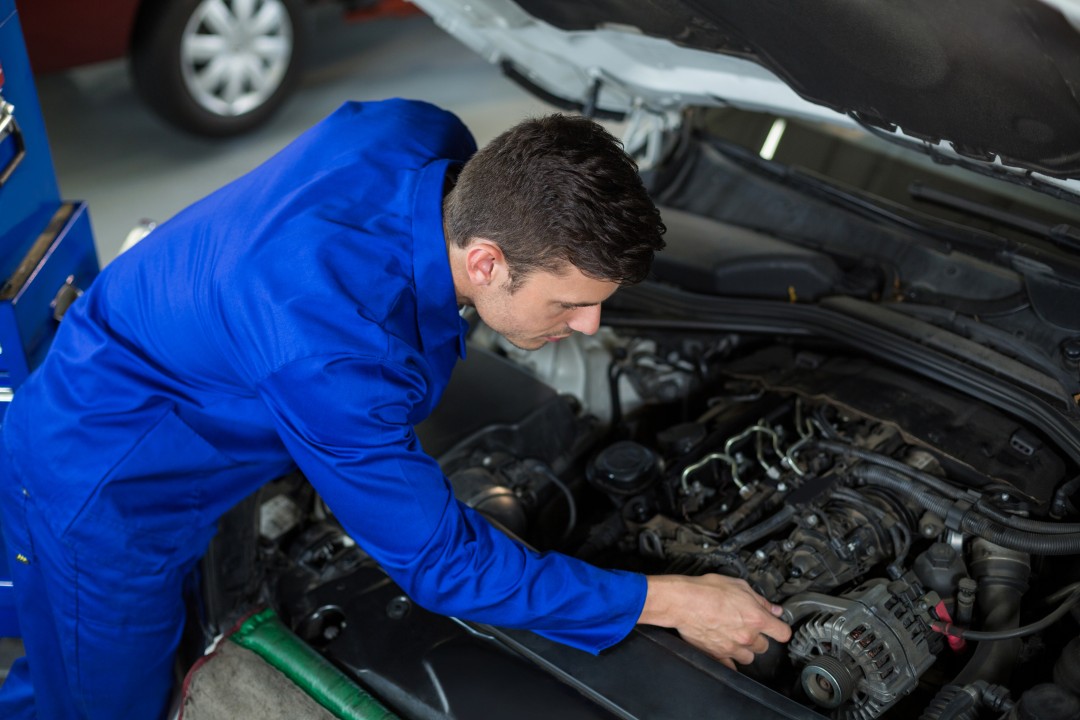
A diesel engine can run for hundreds of thousands of kilometers, but only when a few routine jobs are done on time. Most diesel breakdowns trace back to dirty oil, clogged filters, poor fuel, or overheating. The technicians at Amaru Automotive work on diesel vehicles daily, and this guide covers the checks they treat as essential. It explains what to inspect, how often, and which warning signs should not be ignored.
What Makes a Diesel Engine Different
Diesel engines compress air to a much higher pressure than petrol engines do. That pressure ignites the fuel without a spark plug, which produces strong pulling power but also puts more stress on internal parts. The same design creates soot, runs hotter under load, and relies on a precise fuel system.
1. Soot and Heat Build-Up
Burning diesel produces soot, and some of it ends up in the engine oil. Over time the oil thickens, loses its ability to protect moving parts, and carries abrasive particles around the engine. Heat adds to the problem because oil that runs hot breaks down faster.
2. Fuel Quality and Water Contamination
Diesel absorbs moisture more easily than petrol. Even a small amount of water in the tank can corrode injectors and damage the high-pressure pump, which are among the most expensive parts to replace. Fuel from busy, well-maintained stations lowers this risk.
Engine Oil and Oil Filter Care
Oil is the cheapest protection a diesel engine has. It reduces friction, carries heat away from the pistons, and holds soot in suspension until the next change. A tired oil filter lets that soot circulate, so the oil and the filter should always be replaced together.
1. Picking the Right Oil Grade
Your owner's manual lists the viscosity grade and specification the engine was designed for. Using a different grade can raise wear or reduce fuel economy. Modern diesels with particulate filters usually need low-ash oil, and the wrong type can clog the filter early.
2. Oil Change Timing
Most manufacturers suggest a change every 10,000 to 15,000 km, or once a year. Vehicles used for short trips, heavy loads, towing, or stop-and-go traffic need shorter gaps. Short trips matter because the engine never reaches full temperature, so moisture and fuel residue stay in the oil.
Fuel System Maintenance
A diesel fuel system works at very high pressure, and the clearances inside injectors are tiny. Dirt that would pass through a petrol engine can cause real damage here. Keeping the fuel clean is the most effective way to protect this part of the engine.
1. Fuel Filter and Water Separator
The fuel filter catches dirt before it reaches the injectors, and the water separator collects moisture. Replace the filter at the interval in your manual, and drain the separator if your vehicle has a drain valve. A blocked filter shows up as hesitation under acceleration or a hard start.
2. Injector Health
Worn or dirty injectors spray fuel unevenly. This causes rough idling, black smoke, and higher fuel use. A workshop can test spray patterns and flow rates, and cleaning or replacing injectors early prevents damage to pistons and cylinders.
Cooling and Air Intake
A diesel engine makes a lot of heat, and the cooling system and air intake decide how well it handles that load. Both are easy to neglect because problems build slowly. Checking them at every service avoids sudden failures on the road.
1. Coolant Level and Condition
Coolant does more than prevent overheating. It also contains additives that protect the engine block and radiator from corrosion. Check the level monthly, and have the coolant tested or replaced according to the schedule. Mixing the wrong coolant types can form deposits that block small passages.
2. Air Filter and Turbocharger
Most diesels use a turbocharger, which spins at very high speed and depends on clean air and clean oil. A dirty air filter chokes the engine, lowers power, and increases smoke. Let the engine idle for 30 to 60 seconds after a hard drive so the turbo can cool before shutdown.
Emission System Care
Newer diesel vehicles carry equipment that cuts exhaust pollution, such as a diesel particulate filter (DPF), an exhaust gas recirculation (EGR) valve, and in many cases an AdBlue system. These parts are sensitive to short trips and poor fuel. When they clog, the engine loses power and warning lights appear.
1. Diesel Particulate Filter
The DPF traps soot and burns it off during longer drives at steady speed. If you mostly drive short distances, the filter cannot clear itself and blocks. A 20 to 30 minute drive at highway speed now and then helps the cleaning cycle finish.
2. EGR Valve and AdBlue
The EGR valve sends a portion of exhaust back into the engine to lower combustion temperature. Carbon builds up on it over time, and a sticking valve causes rough running and poor mileage. For vehicles that use AdBlue, keep the tank topped up with fluid that meets the correct standard, because the engine may limit power or refuse to start when it runs empty.
Service Interval Guide
Intervals depend on the vehicle, the load, and the driving conditions, so treat the figures below as general ranges. Always check your owner's manual first. A written service history also helps when you sell the vehicle.
| Component | Typical Interval | What Happens if Skipped |
|---|---|---|
| Engine oil and oil filter | 10,000 to 15,000 km or 12 months | Sludge, higher wear, turbo damage |
| Fuel filter | 20,000 to 40,000 km | Hard starts, injector damage |
| Air filter | 15,000 to 30,000 km | Power loss, black smoke |
| Coolant | 40,000 to 60,000 km or 2 to 3 years | Overheating, internal corrosion |
| Drive belts and hoses | Inspect every service | Sudden failure, overheating |
| Glow plugs | 60,000 to 100,000 km | Cold start trouble |
| DPF and EGR inspection | Every service | Power loss, warning lights |
A schedule like this works best when it is tied to Regular Service Maintenance, since small issues get caught before they grow into repair bills.
Warning Signs That Need Attention
A diesel engine usually gives notice before a serious fault. Learning to read these signs saves money and prevents breakdowns. Stop driving and get the vehicle checked if any of them appear suddenly or get worse.
1. Smoke, Noise, and Smell
Black smoke points to too much fuel or too little air, often from a dirty air filter or a failing injector. White smoke on a warm engine can mean coolant is entering the cylinders. Blue smoke suggests oil is burning. Loud knocking, ticking, or whining from the engine bay should also be checked quickly.
2. Performance Changes
Reduced power, slow acceleration, hard starting, and a sharp rise in fuel use all signal that something is off. A dashboard warning light should never be ignored, even if the vehicle seems to drive normally. Diagnostic tools can read fault codes and show the exact system involved.
Driving Habits That Protect the Engine
How you drive affects engine life as much as how often you service it. Small changes in habit reduce stress on the engine, turbo, and emission parts. They also cost nothing.
- Let the engine warm up gently for a minute or two, then drive at moderate speed until it reaches normal temperature.
- Avoid revving a cold engine or lugging it at very low speed in a high gear.
- Do not run the tank close to empty, because sediment at the bottom can reach the fuel system.
- Avoid overloading the vehicle, which raises heat and strain on the engine and drivetrain.
- Take a longer drive regularly so the emission system can clean itself.
Choosing a Workshop You Can Trust
Diesel work needs the right tools, training, and parts. A good workshop explains what it found, shows you the worn parts, and gives a written estimate before starting. It also records what was done so your service history stays accurate.
What to Look For
Ask whether the technicians have experience with your vehicle make and engine type. Check that they use parts that meet the manufacturer's specification and that they offer a warranty on the work. Clear communication about cost and timing is a sign of a workshop that respects your time. If you want your diesel inspected, serviced, or diagnosed, you can Call to book service with the Amaru team.
Frequently Asked Questions
1. How often should I service my diesel engine?
Most diesel vehicles need service every 10,000 to 15,000 km or once a year, whichever comes first. Heavy loads, towing, dusty roads, and short trips call for shorter intervals. Your owner's manual gives the exact schedule for your model.
2. Why is my diesel engine producing black smoke?
Black smoke usually means the engine is burning more fuel than the air supply can handle. Common causes include a clogged air filter, faulty injectors, a blocked DPF, or a failing turbocharger. A diagnostic check will show which one applies.
3. Can I use petrol engine oil in a diesel engine?
It is not recommended. Diesel engines produce more soot and need oil with additives that handle it. Always use the grade and specification listed in the owner's manual.
4. What happens if the diesel particulate filter gets blocked?
A blocked DPF reduces power, raises fuel use, and triggers a warning light. The vehicle may enter a limited performance mode to protect the engine. A longer highway drive can sometimes clear a mild blockage, but a heavy one needs a professional cleaning or replacement.
5. How can I make my diesel engine last longer?
Change the oil and filters on time, use clean fuel, keep the cooling system healthy, and avoid hard driving on a cold engine. Fix warning signs early instead of waiting. Consistent care and a clear service record add years to the life of the engine.