Car Wiring and Electrical System Maintenance: What Every Driver Should Know
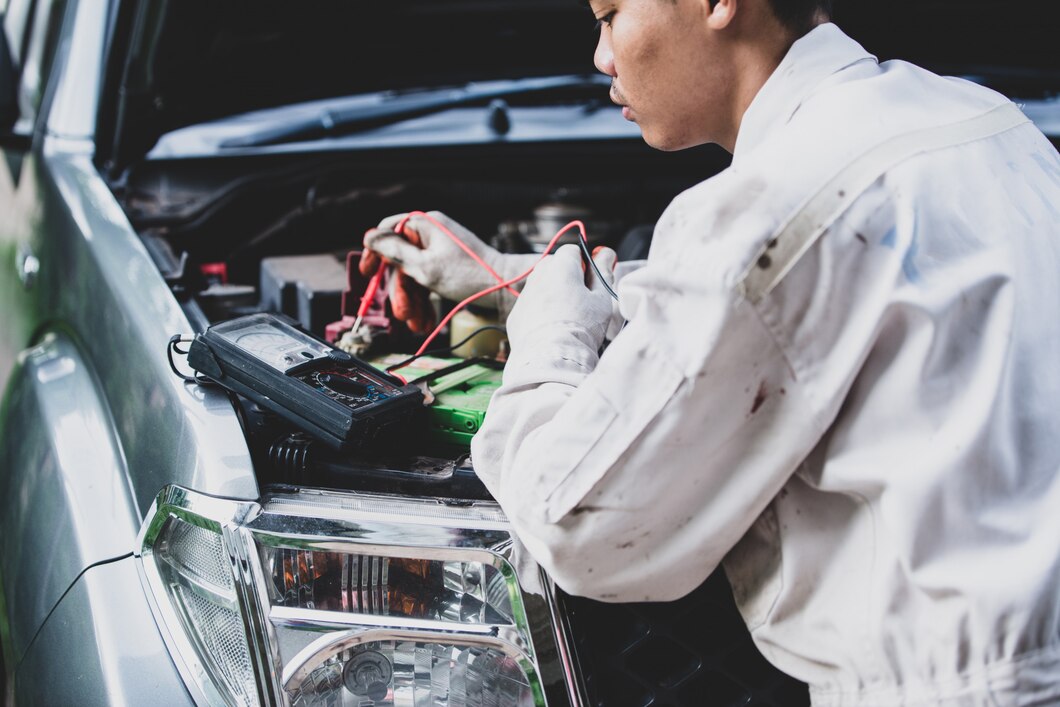
A modern car carries kilometers of wiring, dozens of fuses, and several computers that all depend on steady power. When one weak link appears, the symptoms can look unrelated: a dim headlight, a slow window, a warning light that comes and goes. The team at Amaru Automotive sees these faults often, and most of them start small. This guide explains how the system works, what goes wrong, which signs matter, and what routine care keeps the wiring in good shape.
How the Electrical System Works
Every electrical part in a car, from the engine computer to the radio, takes power from one shared circuit. The battery stores energy, the alternator makes more while the engine runs, and wires carry it where it is needed. Knowing the basic layout makes it easier to understand why faults happen and where to look first.
1. Battery, Alternator, and Starter
The battery supplies the burst of power that turns the starter motor and wakes up the car's electronics. Once the engine runs, the alternator takes over, powers the car, and recharges the battery. If the alternator weakens, the battery slowly drains, and the car may start fine one day and fail the next. A battery that is more than four or five years old is more likely to struggle, especially in hot weather.
2. Wiring Harness, Fuses, and Relays
The wiring harness is a bundle of wires wrapped together and routed through the body of the car. Fuses protect each circuit by breaking the connection if too much current flows. Relays act as switches that let a small signal control a heavy load, such as the headlights or the fuel pump. A fuse that blows once may be a one-off event, but a fuse that keeps blowing means there is a fault behind it.
Common Faults and What Causes Them
Electrical faults rarely appear without a reason. Heat, moisture, vibration, and age wear down connections and insulation over time. Understanding the causes helps you notice early signs instead of waiting for a breakdown.
1. Loose or Corroded Connections
Battery terminals are the most common trouble spot. A white or green crust around the terminals means corrosion, and it increases resistance so less power gets through. Loose terminals cause the same problem, with symptoms such as slow cranking, flickering lights, or a car that fails to start even though the battery is healthy.
2. Damaged Insulation and Wiring
Wires are coated in plastic insulation that becomes brittle with age and heat. Once it cracks, bare metal can touch the body of the car or another wire and cause a short circuit. Rodents are another cause, since they chew through wiring in parked vehicles. Wires that rub against sharp edges under the bonnet or inside door hinges also wear through slowly.
3. Blown Fuses and Faulty Relays
A blown fuse usually means one circuit has a problem, such as a failing pump or a short in a wire. Replacing the fuse with a higher-rated one is risky, because the wire can overheat before the fuse breaks the circuit. Relays can stick or burn out, which leads to parts that work only sometimes or stop working altogether.
Warning Signs to Watch For
Electrical problems tend to send out signals before a complete failure. Some are easy to see and some are easy to miss. Paying attention to small changes can prevent a roadside breakdown.
1.Dashboard and Lighting Clues
A battery warning light on the dashboard points to a charging problem. Headlights that dim when the engine idles and brighten when you press the accelerator suggest the alternator is not keeping up. Interior lights, indicators, or the infotainment screen that flicker or reset themselves can point to a loose ground connection or a weak battery.
2. Smells, Heat, and Starting Trouble
A burning plastic smell is a serious warning and should never be ignored. It can mean a wire is overheating or a short circuit is forming. Warm or discolored fuse box covers, melted connectors, and a clicking sound when you turn the key are also signs that need a quick inspection. If the engine cranks slowly in the morning but starts after a few tries, the battery or its connections are likely weak.
Routine Checks and Maintenance Schedule
Most electrical care is simple, and a short inspection at each service catches problems early. The table below shows what to check, how often, and what to look for. Intervals are general ranges, so check your owner's manual for exact figures.
| Check | How Often | What to Look For |
|---|---|---|
| Battery terminals | Every 3 months | Corrosion, loose clamps, cracked casing |
| Battery health test | Every 6 months | Low voltage, slow cranking, age over 4 years |
| Alternator output | Every service | Charging voltage outside the normal range |
| Fuses and fuse box | Every 6 months | Blown fuses, melted plastic, loose fit |
| Visible wiring under the bonnet | Every service | Cracked insulation, rubbing, rodent damage |
| Lights and indicators | Monthly | Dim bulbs, flickering, non-working lamps |
| Grounding points | Every service | Rust, loose bolts, burnt marks |
Tying these checks to Wiring and Electrical inspections at every service visit keeps small faults from becoming costly repairs.
Habits That Protect the Wiring
Daily habits affect how long the electrical system lasts. A few changes cost nothing and reduce strain on the battery and wires.
- Turn off lights, air conditioning, and chargers before switching off the engine.
- Avoid very short trips, because the alternator needs time to recharge what the starter used.
- Keep the engine bay dry and clean, and avoid directing high-pressure water at the fuse box or connectors.
- Never replace a fuse with a higher-rated one.
- Be careful with aftermarket accessories such as extra lights, sound systems, and dash cameras. Poorly fitted wiring is a common source of drain and short circuits.
- Park in covered areas when possible, which limits moisture and rodent damage.
Safe Checks at Home and When to Stop
You can do some basic inspection yourself, but electrical work carries real risk. A short circuit can burn wiring, damage computers, or start a fire, so it helps to know where the line sits between a quick check and a professional job.
1. Simple Checks You Can Do
Look at the battery terminals for corrosion and make sure the clamps are tight. Check that every exterior light works by asking someone to watch while you switch them on. Open the fuse box and look for blown fuses, which have a broken metal strip inside. Keep a few spare fuses of the correct rating in the car.
2. When a Workshop Visit Makes Sense
Book a visit if a fuse keeps blowing, a warning light stays on, the car smells of burning, or the battery drains overnight. Faults like these need testing equipment to trace, since the cause is often hidden inside the harness or behind a panel. A trained technician can measure voltage, test circuits, and read fault codes from the car's computer. When the symptoms start to show, Book your services and have the system inspected before the problem spreads.
Frequently Asked Questions
1. How long does a car battery usually last?
Most car batteries last between three and five years. Heat, short trips, and heavy electrical use shorten that life. A battery test at every service shows how much capacity is left.
2. What causes a car's electrical system to drain the battery overnight?
A parasitic drain is the usual cause. This happens when a component, such as an interior light, a faulty relay, or an aftermarket accessory, keeps drawing power after the car is switched off. A technician can measure the current draw and trace which circuit is responsible.
3. Why do my headlights flicker or dim?
Flickering or dim headlights often point to a weak alternator, a worn battery, or a loose ground connection. If the lights brighten when you press the accelerator, the alternator is a likely cause. A voltage test will confirm it.
4. Is it safe to drive with a burning smell from the engine bay?
No. A burning plastic smell can mean overheating wires or a short circuit, and these can lead to a fire. Pull over safely, switch off the engine, and have the car inspected before driving it again.
5. Can I fix car wiring problems myself?
Small jobs such as cleaning battery terminals or replacing a blown fuse with the correct rating are fine for most owners. Anything involving cut, burnt, or tangled wires, or faults that keep returning, should go to a professional. Incorrect repairs can damage sensitive electronics and create safety risks.